The Pomodoro technique breaks study time into short, timed blocks separated by planned breaks. This guide covers how to run it, what three recent studies of break-taking found, and how to adjust it when the standard timings do not suit you or the task.
How the technique works
The method was developed by Francesco Cirillo, according to the Academic Success Centre at the University of Northern British Columbia (UNBC), which describes it as a time-management tool built on setting goals, working and resting for set intervals, and tracking progress. The Portland State University Learning Center sets out the basic cycle: 25-minute work blocks, called pomodoros, separated by five-minute breaks, with a longer break of 15 to 20 minutes after three or four pomodoros.
- Plan. Write down what you want to finish and how long you expect it to take.
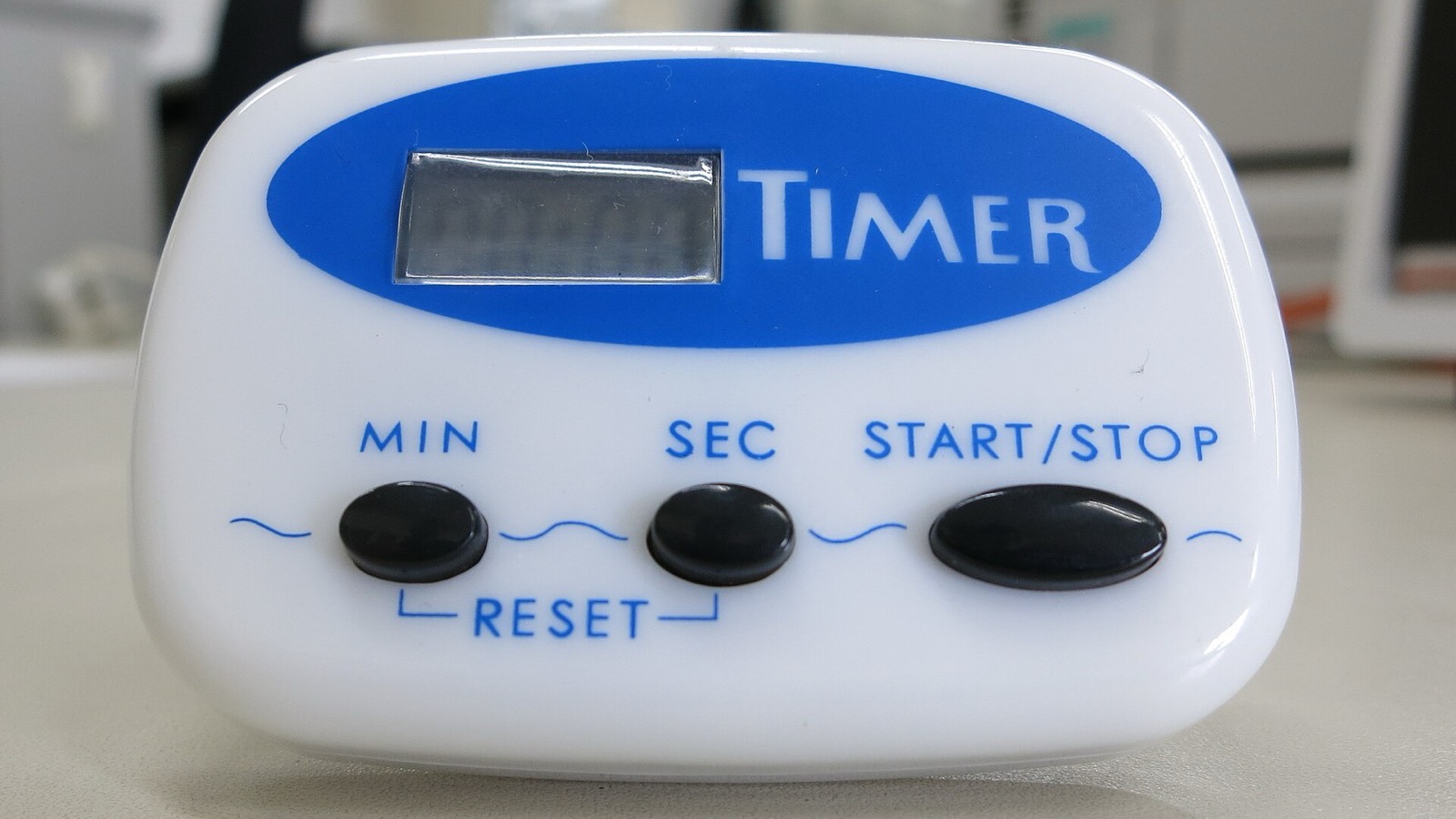
- Set a timer for 25 minutes and work on that one task.
- Stop when it rings and note how far you got.
- Take a five-minute break.
- Repeat. The UNBC handout suggests three to five cycles.
- Take a longer break and review. Check your progress against your plan. UNBC suggests a break of about 30 minutes; Portland State suggests 15 to 20.
Neither handout treats the numbers as fixed. Portland State tells students to adapt the technique to their energy level and capacity to focus.
What the research shows
Research on break-taking during self-study is limited, but three recent studies from the Netherlands have compared timed breaks with breaks students choose for themselves.
In a 2023 study in the British Journal of Educational Psychology, 87 bachelor’s and master’s students at a Dutch university followed an online program during one day of their own study. Some chose their own breaks. Others took a six-minute break after every 24 minutes, the Pomodoro-style group, or a three-minute break after every 12 minutes. Students who chose their own breaks studied and rested for longer stretches, and reported more fatigue and distraction and less concentration and motivation. Mental effort and task completion did not differ, though the authors note the timed groups finished a similar amount in less time.
A 2025 study in Behavioral Sciences gave 94 university students a two-hour online study session with self-chosen breaks, classic 25-and-five Pomodoro breaks, or Flowtime breaks, where the student decides when to stop and the break length depends on how long they studied. Fatigue rose faster and motivation fell faster with Pomodoro than with self-chosen breaks. Yet overall levels of fatigue and motivation, along with productivity, task completion and flow, did not differ between groups.
A 2026 study in the same journal had 176 university students read a long text on groundwater and climate change, either with a three-minute break after every 12 minutes or with self-chosen breaks. Comprehension scores did not differ significantly. Students who chose their own breaks reported more energy, concentration and motivation and less distraction, and many in the timed group said the frequent breaks disrupted their concentration.
Limits to keep in mind
- Each study covered a single study session or day, so none shows effects on grades over a term.
- Samples were small and narrow. In the 2025 study about 93% of participants were women and all were psychology students, and the authors say the analysis may have been underpowered.
- The 2026 study used breaks half the usual Pomodoro length, and its authors caution that the comprehension test had relatively low reliability.
- All three ran online during students’ own study time, which limits experimental control. The 2025 authors note that students could not be monitored.
Taken together, the findings are mixed. In one study, fixed breaks were linked to less fatigue than long, self-paced stretches; in others, fixed breaks brought a faster rise in fatigue or felt disruptive. None found that timed breaks improved how much students learned or completed.
Common mistakes
- Treating 25 minutes as a rule. Both university handouts treat the timings as flexible. If the timer keeps cutting you off just as a hard reading starts to make sense, try longer blocks.
- Skipping the planning and logging steps. The UNBC version starts with written goals and ends each block by recording progress. Without them, the method is just a timer.
- Letting breaks drift. In the 2023 study, students who set their own breaks took longer ones and reported more fatigue and distraction. Decide before the break what it involves and when it ends.
- Expecting higher marks. The studies so far point to effects on mood and focus, not clear gains in learning.
- Using one schedule for every task. Half of the participants in the 2026 study said the value of short timed breaks depended on the context, and one said they suited reading but not writing.
The Pomodoro technique is a simple way to get started and to build rest into a study session, and some students find the structure helps them focus. The research is young, small and mixed: planned breaks can head off long, draining stretches, but rigid short intervals can break concentration, and no study yet shows better learning. Treat 25 and five as a starting point, keep the planning and progress notes, and adjust the timings to the task in front of you.