Retrieval practice means pulling information out of your memory instead of putting it back in by rereading. By the end of this guide you will know what research on self-testing has found, where that evidence is thinner, and how to build retrieval into an ordinary study week with a notebook, flash cards and past questions.
What retrieval practice is
The Learning Center at the University of Rochester describes retrieval practice as trying to recall something you learned without looking. You put your notes and books away, then try to remember the material with no prompts. Working through a problem from memory, before checking the textbook, also counts.
The idea behind it is that a test does more than measure what you know. The act of recalling also helps you keep the information. Psychologists call this the testing effect.
What the research shows
A 2006 study by Roediger and Karpicke in Psychological Science ran two experiments. Students read prose passages. Some then took one or three free-recall tests without feedback; others reread the passage the same number of times. A final test came five minutes, two days or one week later.
On the five-minute test, rereading did better. On the delayed tests, the students who had been tested remembered substantially more. Rereading also made students more confident about their memory, even though it left them remembering less a few days later.
A 2011 study in Science by Karpicke and Blunt compared retrieval practice with building concept maps while studying science texts. Retrieval practice produced bigger gains, including on questions that asked students to make inferences, and even when the final test asked them to draw a concept map.
Classroom evidence comes from a 2021 meta-analysis by Yang and colleagues in Psychological Bulletin. It pooled 222 independent studies covering 48,478 students and found that quizzing raised achievement by a medium amount (Hedges’ g = 0.499, a standardized measure of effect size). In a 2013 review of 10 study techniques, Dunlosky and colleagues rated practice testing as one of only two high-utility techniques, while rereading and highlighting were rated low utility.
Limits to keep in mind
- Much of the early evidence comes from controlled experiments with short texts and final tests no more than a week away. Real courses are longer and messier.
- A medium average effect is not a promise. The 2021 review found that the size of the benefit changed with conditions, including whether students got corrective feedback, how many times they were tested, whether the quiz format matched the final test, and what the comparison group did instead.
- Retrieval can look worse in the short term. In the 2006 study, rereading won on the five-minute test, which helps explain why self-testing is easy to underrate.
How to use it: five steps
- Close the book, then write. After a lecture or a reading, put everything away and write down all you can remember, in your own words. The Rochester guide advises doing as much as you can before checking. For example, after a chapter on cell division, list the stages and what happens in each before opening the book again.
- Turn headings into questions. Rewrite textbook headings, slide titles or learning objectives as questions, then answer them without looking, on paper or out loud. Rochester also suggests answering questions aloud with a study partner.
- Practice in the exam’s format. Rochester’s rule of thumb is to practice the way you will be tested: essays for an essay exam, multiple-choice questions for a multiple-choice exam, problems for a problem-based one. Format match was also one of the factors linked to the size of the effect in the 2021 review.
- Check every answer. Compare what you recalled with your notes and mark the gaps. Corrective feedback was another factor that shaped the benefit in classroom studies.
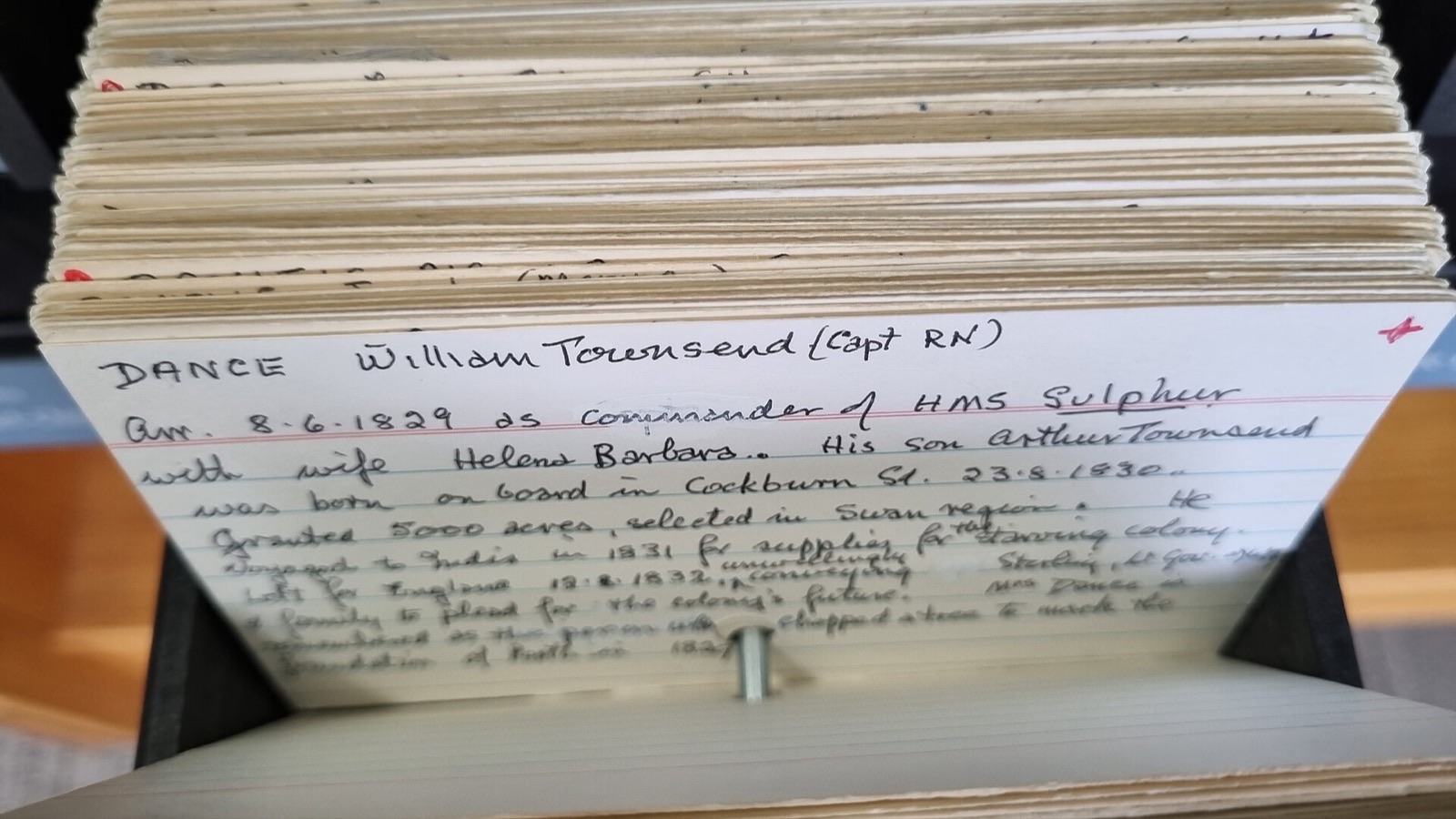
- Let some forgetting happen, then repeat. Rochester suggests letting yourself forget a little before trying to retrieve, and combining retrieval with spaced sessions, which it calls spaced retrieval practice. Flash cards, a flash card app such as Anki or Quizlet, blank charts and end-of-chapter questions all work. Mix up end-of-chapter questions so you cannot tell which chapter each one comes from.
Common mistakes
- Peeking too soon. Glancing at the answer after a few seconds turns a test back into rereading. Try first, then check.
- Trusting the feeling of fluency. Rereading feels smooth, and in the 2006 study it raised confidence while producing weaker recall days later.
- Skipping the check. Without checking, you cannot tell which answers were wrong, and feedback was one of the factors tied to the size of the benefit.
- Testing in the wrong format. Picking an answer from a list is not the same task as writing an essay from memory.
- Doing it once. The number of test repetitions mattered in the classroom studies, and Rochester pairs retrieval with spacing rather than a single session the night before.
Retrieval practice is one of the best-supported study techniques, backed by lab experiments and more than 200 classroom studies. It is not magic: the gains are moderate on average and depend on feedback, format and repetition. The core habit is simple, though. Close the book, try to recall, check what you missed, and come back to it after a gap.